Summer heat in Massachusetts tends to arrive with a slow, steady insistence, then spike into weeks where an underperforming air conditioner feels like a constant expense and a daily frustration. If you own a home in Lexington, planning a cooling upgrade while coordinating AC repair in Lexington MA can save you money, reduce stress, and give you a system that actually matches how your household lives and uses energy. I’ve overseen dozens of upgrades and repairs in older New England houses, and the planning habits I recommend come from seeing what works on tight budgets, in historic homes, and for families who want quieter, cleaner indoor air.
Why a deliberate plan matters Many homeowners respond to a failure, call for a repair, and then accept a quick fix. That solves the immediate problem, but misses an opportunity. An old compressor, undersized ductwork, or a mismatched thermostat will churn away for years after the service visit, leaving you with high bills and intermittent comfort. Planning lets you combine AC repair in Lexington MA with targeted upgrades: a new condenser with a properly sized evaporator coil, a programmable thermostat, sealing of duct leaks, and zoned controls. Those moves can cut summer energy use by a noticeable amount and extend equipment life by several years.
Start with a home assessment that feels like an inspection and a conversation Begin by scheduling a thorough evaluation with a reputable local technician. If you call Green Energy AC Heating & Plumbing Repair, expect more than a checklist. A good tech will measure refrigerant pressures, test amperage on the compressor and fan motors, inspect the coil condition, and evaluate airflow across the coil. They will also walk your home with you to understand where comfort fails: upstairs heat, a bedroom that never cools, or a living room with uneven air delivery. Two things to insist on: a load calculation, not a rule-of-thumb sizing, and a duct inspection. In https://jaredtowi308.bearsfanteamshop.com/smart-thermostat-integration-during-ac-installation-in-lexington my experience, about half the calls for “weak cooling” trace back to airflow issues rather than failed compressors.
Load calculations keep you from buying the wrong size A Manual J load calculation takes into account orientation, window area, insulation levels, air infiltration, and living habits. It is common to see systems oversized by 20 to 50 percent when contractors estimate instead of calculate. Oversized systems cycle frequently, which increases wear and fails to dehumidify properly. Undersized systems run constantly and struggle to maintain setpoints. Accepting a technician who performs a load calculation saves money on equipment and improves comfort. If you live in a 2,000 square foot colonial with modest insulation and modern windows, the cooling load might be in the 18,000 to 36,000 BTU range, not the 48,000 BTU system a quick quote might propose.
Balance immediate repairs with upgrade opportunities An AC repair in Lexington MA often involves replacing a capacitor, fixing a refrigerant leak, or swapping a contactor. Those are valid, often inexpensive fixes that restore operation. But while the tech has you on the phone, ask about these longer-term questions. Is your outdoor unit older than 10 years? What is the energy efficiency rating, SEER, of your current system? Are the ducts insulated and sealed, especially in unconditioned spaces like an attic or crawl space? If a replacement compressor is close to the cost of a new unit, and the system runs at SEER 10 or lower, investing in a new, higher-efficiency system will usually pay back through lower utility bills and fewer repairs.
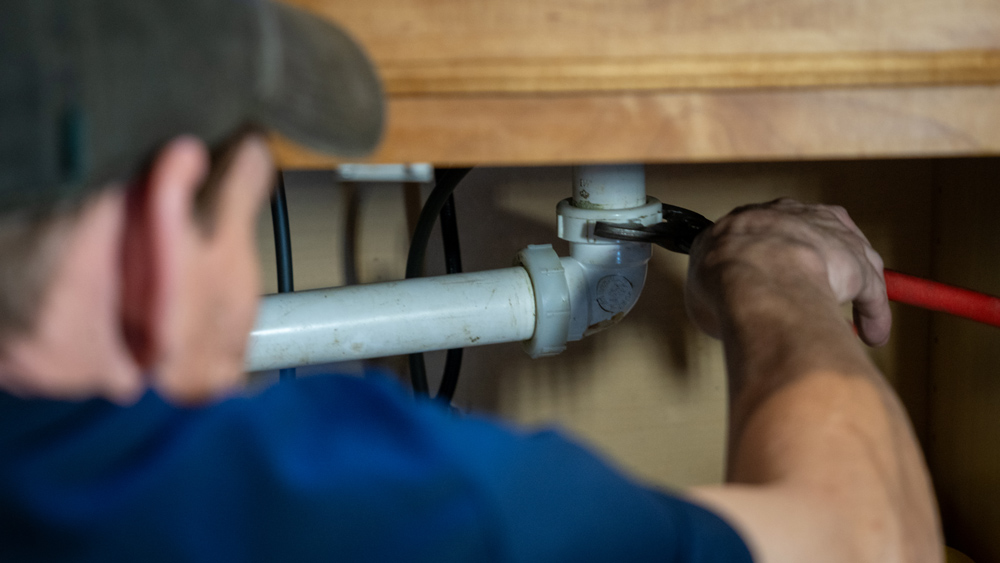
Practical steps to plan the upgrade This is where planning becomes concrete. Below is a compact checklist you can keep on your phone before the technician arrives. It clarifies priorities for the service visit and for any follow-up upgrade work.
Request a Manual J load calculation and written recommendation. Ask for a duct inspection and an estimate for sealing and insulation. Get separate pricing for repair versus replacement, including estimated seasonal energy cost. Confirm warranty details for parts and labor, and ask how long the technician expects the repaired component to last. Schedule follow-up work, such as thermostat replacement or zoning, and ask about financing options.Choosing equipment that fits your home and budget Not every home needs the highest SEER available. In Lexington winter costs and summer peaks balance differently than in southern states. A system with SEER 16 to 18 is generally a sensible choice here. It yields real savings compared with older SEER 10 equipment and costs less upfront than top-tier models. If you have a tight budget, prioritize quality over bells and whistles. A well-installed SEER 14 unit will outperform a top-efficiency model installed poorly. Pay attention to sound ratings too. A quieter condenser makes late summer evenings much nicer, especially if your outdoor unit sits close to a living area or neighbor’s property.
Ductwork is the underappreciated piece of the puzzle Duct sealing and balancing will often deliver the largest comfort gains for the least money. In homes with crawlspaces or leaky attic ducts, it is not unusual to lose 20 to 40 percent of cooled air before it reaches living areas. That loss makes the system run longer and masks the true capacity of a replacement unit. Have the technician measure static pressure and check for disconnected runs, flex duct kinks, and undersized booting. Insulating ducts that run through unconditioned spaces to R-6 or better is a cheap, high-impact improvement. If your house has narrow return paths, consider adding larger returns or transferring conditioned air with a passive transfer grille rather than forcing the system to fight pressure imbalances.
Thermostat choices and control strategies A programmable or smart thermostat can reduce runtime and improve comfort if set correctly. For multi-level homes, look at zoning or at least a second thermostat for the upstairs. Zoning converts a single system into several controlled areas with dampers in the ductwork. When properly designed, it reduces temperature swings and can save energy by not overcooling empty parts of the house. Caveats apply: poorly designed zoning can cause short cycling if the system’s minimum runtime is not matched to damper positions. If you prefer a smart thermostat, ensure compatibility with your heat pump or conventional split system. Ask Green Energy AC Heating & Plumbing Repair or your chosen contractor to test compatibility during the assessment.
Air quality and humidity control matter in Massachusetts summers Here, hot months are also humid months. A system that runs well but fails to remove humidity leaves rooms cool but clammy. Dehumidification improves perceived comfort more than shaving a degree off the thermostat. Consider a two-stage compressor or a system with a dedicated dehumidification mode. Whole-house dehumidifiers installed in the return plenum are another option. They add cost but pay off in improved comfort and reduced risk of mildew in basements and attics. If your home has family members with allergies or asthma, discuss MERV-rated filtration upgrades. A MERV 8 to 11 filter will trap everyday particles without excessive pressure drop; very high MERV ratings require blower capacity checks.
Financing and incentives you should know about Massachusetts supports energy efficiency through rebates and incentives. Programs change over time, but local utilities and state-run programs have offered rebates for high-efficiency equipment and air sealing. Ask the contractor to identify current rebates; Green Energy AC Heating & Plumbing Repair often helps homeowners complete the paperwork. Also compare contractor financing offers. A five-year loan at low interest can make an efficient upgrade cash-flow positive month to month compared with rising repair costs and higher electric bills. Read warranty terms carefully and include expected first-year maintenance in your calculations.

Timing the work to minimize disruption Scheduling matters, especially if you have kids, pets, or work-from-home routines. Plan major replacement work in the shoulder seasons, spring or early fall, if possible. Those times are cooler and crews are more readily available than peak summer. If you must schedule during summer, ask the contractor for an estimated downtime and whether temporary measures are possible, like portable cooling or partial service to keep critical rooms comfortable. Make sure the team will protect flooring and finish work when bringing heavy equipment through the house.
How to spot a contractor that will save you money long term Licensed, insured technicians who provide clear documentation are worth the slight premium. A good contractor will give you written estimates for repair and replacement, include a scope for ductwork, and offer an itemized list of parts and labor. Beware of quotes that push the most expensive equipment without explaining why it is necessary. Ask for references from local customers, and check whether the company installs and services equipment they recommend. If your quote includes a refrigerant charge estimate, ensure the technician will confirm actual refrigerant weight during service. Overcharging or undercharging refrigerant are both red flags.
Real-world trade-offs and edge cases Historic houses in Lexington present typical trade-offs. Preserving original windows and trim is often a priority. If you cannot install large duct trunks, consider a high-velocity mini-duct system or multiple ductless mini-splits. Ductless systems avoid invasive demolition and are efficient for zoned cooling, but they require indoor heads that some homeowners find visually intrusive. For houses with minimal attic space, relocating the air handler to conditioned space improves efficiency but adds upfront labor. If budget is tight, prioritize sealing ducts and improving insulation first; those moves lower the necessary capacity and allow a smaller, less costly condenser.
A brief anecdote about one Lexington project I worked with a family in Lexington living in a 1920s colonial. Their upstairs was a sauna; downstairs was fine. The initial quote from a national chain suggested a single large replacement condenser. I insisted on a load calculation and a duct inspection. The calculation showed the upstairs load was driven by poor attic insulation and several unsealed return grilles. The contractor sealed the ducts, added R-30 insulation to the attic, installed a second zone for the upstairs, and replaced the outdoor unit with a right-sized SEER 16 system. Upfront cost was slightly higher than the simple replacement quote, but summer bills dropped by about 22 percent and complaints about overnight heat stopped. The family reported better sleep and fewer sick days among the kids that summer.
What to expect after the upgrade or repair A properly planned project will include a full system start-up and testing. The tech should document refrigerant charge, airflow, temperature split across the coil, and electrical measurements. You should receive an operating guide, warranty paperwork, and a recommended maintenance schedule. Plan on at least annual preventive care, and consider spring tune-ups. A short maintenance list is easy to follow and keeps warranty conditions intact.
When to replace rather than repair Replace when the compressor fails and the unit is older than 10 years, or when repeated repairs exceed 50 percent of the replacement cost. Replace when the system uses a refrigerant facing phaseout and retrofitting would be complex. Replace when you want significant improvements in comfort, humidity control, and energy bills. Repair when the issue is small, the unit is relatively new, and a single component failure explains the problem. Your installer should present both options with numbers that let you compare lifetime costs.
Final persuasive thought Combining AC repair in Lexington MA with a clear upgrade plan transforms reactive spending into strategic investment. Take time to get a load calculation, prioritize duct sealing, and choose equipment that matches your house and life. Work with a contractor who documents work, explains trade-offs, and helps you apply for local rebates. If you want a practical next step, call a local specialist like Green Energy AC Heating & Plumbing Repair for an assessment, ask for a Manual J, and get written options for both repair and replacement. Done well, the project pays back in dollars, comfort, and fewer mid-summer headaches.
Green Energy AC Heating & Plumbing Repair
76 Bedford St STE 12, Lexington, MA 02420
+1 (781) 896-7092
[email protected]
Website: https://greenenergymech.com